Breed Page
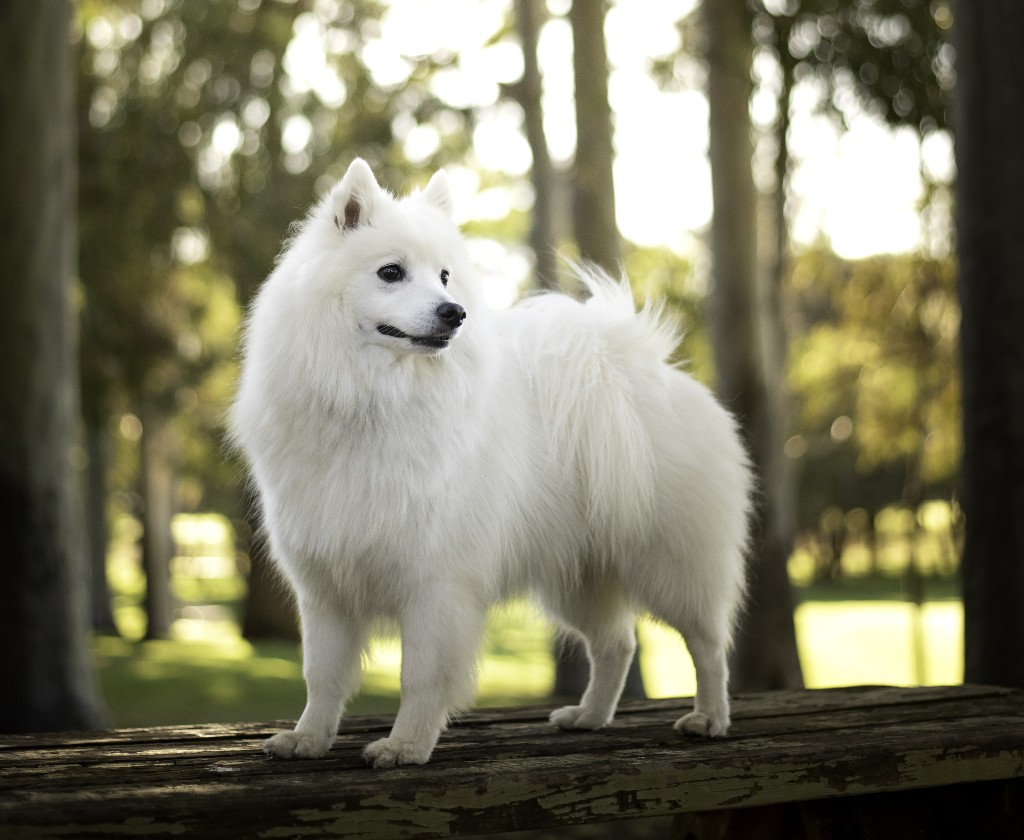
| # | Name | Gender | OI | AGR | IR |
|---|---|---|---|---|---|
| 1 | Sasha mini Pearl | F | 0.91 | -0.21 | -0.04 |
| 2 | Stardust on the Blossom Trail CGC | F | 0.39 | -0.06 | 0.25 |
| 3 | Amar's Dan's Darling Caprice | F | 0.36 | -0.03 | 0.16 |
| 4 | Amars CB | F | 0.45 | -0.03 | -0.08 |
| 5 | Amar's Minxys Petuna | F | 0.30 | 0.03 | -0.04 |
| 6 | Miracle Misty Mornin Stranger | M | 0.39 | -0.03 | 0.09 |
| 7 | Klondyke's Ride of the Valkyries For Las Rosas | F | 0.47 | -0.04 | -0.13 |
| 8 | Wintersun's Rockstar At Trinity | M | 0.29 | 0.01 | 0.17 |
| 9 | Trinity Irresistable Reflections | F | 0.41 | 0.01 | 0.01 |
| 10 | Trinity's Amazing Grace | F | 0.49 | -0.05 | -0.09 |
Average metrics by birth year for dogs with recorded birthdates in the BetterBred database.
A 3D genetic map of enrolled Miniature American Eskimo dogs in the BetterBred database, based on allele-sharing distance across 33 STR loci. This is not a complete picture of the breed — it reflects only dogs whose owners have enrolled them. Drag to rotate · scroll to zoom · hover for dog names (public profiles only).
The Dog Leukocyte Antigen (DLA) region controls immune function and is the most polymorphic portion of the canine genome. Every dog carries two sets of DLA haplotypes — one from each parent — which almost never recombine across generations. Frequency percentages reflect how often each haplotype appears across all allele copies in the breed, not the percentage of dogs carrying it.
Class I Haplotypes
| Haplotype | Frequency |
|---|---|
1014 |
|
1054 |
|
1002 |
|
1153 |
|
1093 |
|
1215 |
|
1016 |
|
1012 |
|
1030 |
|
1011 |
|
1268 |
Class II Haplotypes
| Haplotype | Frequency |
|---|---|
2037 |
|
2022 |
|
2001 |
|
2053 |
|
2032 |
|
2080 |
|
2014 |
|
2003 |
|
2050 |
|
2023 |
|
2084 |
|
2096 |
Class I & II Combinations
| Class I | Class II | Frequency |
|---|---|---|
1014 |
2037 |
|
1054 |
2022 |
|
1002 |
2001 |
|
1153 |
2053 |
|
1215 |
2080 |
|
1093 |
2032 |
|
1012 |
2003 |
|
1014 |
2050 |
|
1016 |
2014 |
|
1030 |
2023 |
|
1011 |
2096 |
|
1016 |
2084 |
|
1268 |
2053 |
The Canine Diversity Test from UC Davis Veterinary Genetics Laboratory is the foundation of BetterBred’s breed management tools. Testing your dog adds to the breed database and gives you access to the full suite of breeding analysis tools.