Breed Page

Great Dane — BetterBred Breed Page – BetterBred.com
BetterBred Breed Profile

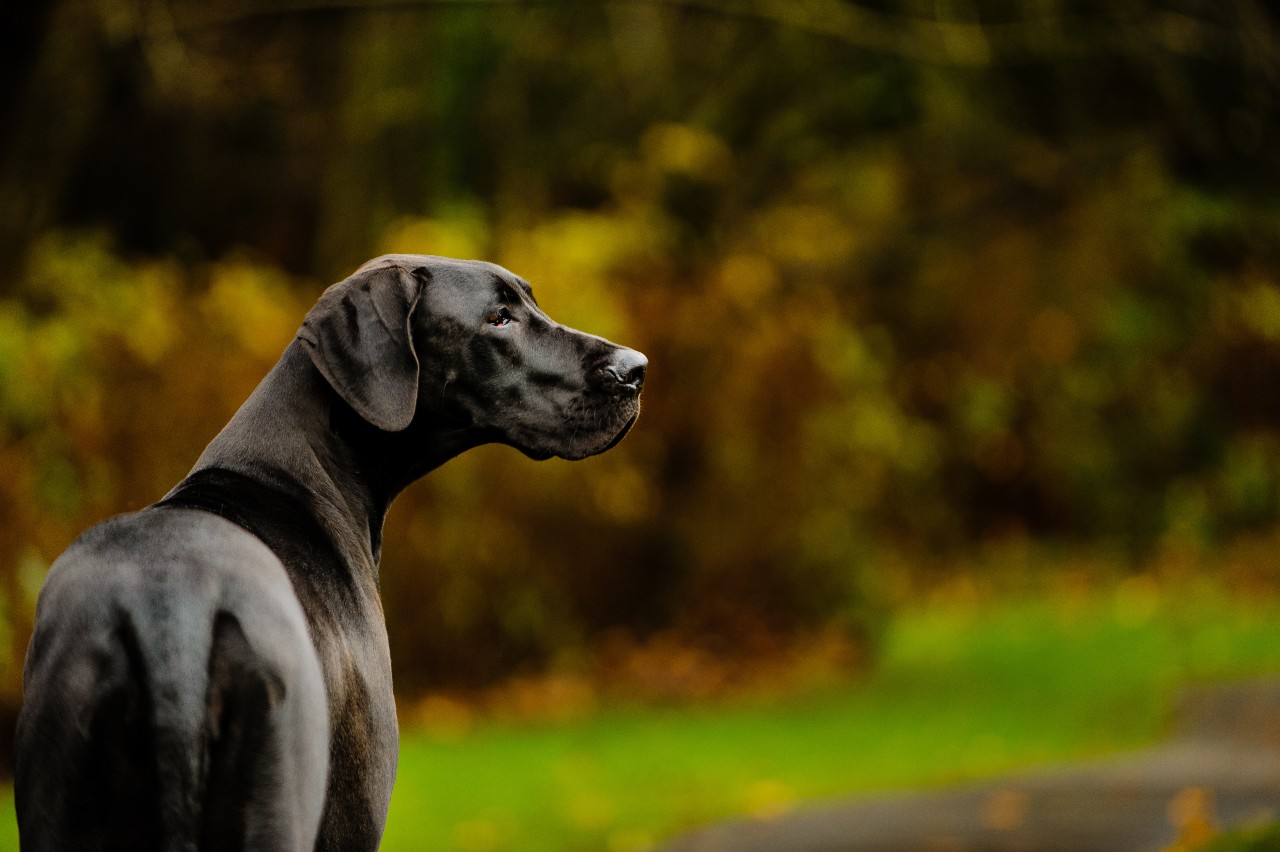
Great Dane

Temperament: Spirited, courageous, and dependably friendly. Great Danes are gentle giants - affectionate with family, good with children given their size, and never timid or aggressive. They are comparatively calm indoors and need moderate daily exercise rather than extreme activity.
Height: Males: 30-34 inches (76-86 cm), Females: 28-32 inches (71-81 cm)
Weight: Males: 140-175 pounds (64-79 kg), Females: 110-140 pounds (50-64 kg)
Life Span: 8-11 years
Outlier Index ?
0.43
Born before 2016: Born after 2024:
Avg Genetic Rel. ?
0.00
Born before 2016: Born after 2024:
Internal Relatedness ?
-0.16
Born before 2016: Born after 2024:
Great Dane
#NameGender OIAGRIR
1 Caeruleus Cocktails & Dreams At G8rcreek CGC F 0.43 0.00 -0.16
The Great Dane descends from mastiff and greyhound-type dogs used across medieval Europe for boar and deer hunting, particularly on the estates of European nobility. German breeders in the 19th century refined the modern breed, which was originally developed for its working capability and then increasingly for its striking appearance as a dog of noble households. The breed has remained popular worldwide since formal recognition in the late 19th century. Because of the breed's large worldwide population, both show and pet lines are numerous, though the effective population shows the usual popular-sire effects seen in most popular breeds.
Gastric dilatation-volvulus (bloat) is a major concern and a leading cause of death in the breed. Cardiac diseases (especially dilated cardiomyopathy), eye diseases, hypothyroidism, autoimmune thyroiditis, and hip dysplasia also occur. Wobbler syndrome (cervical vertebral instability) is elevated in the breed. The very large size itself is a risk factor for multiple conditions including osteosarcoma.
VGL has reported Great Danes carrying an average of around 6.85 alleles across the 33 STR loci, with an effective allele count near 3.12. The moderate effective allele count reflects that while the breed has many alleles in circulation, a subset still dominates. Several DLA class I haplotypes appear to be unique to the Great Dane (1273 through 1278), consistent with distinct founder influence. VGL testing has found Great Danes with observed heterozygosity higher than expected, giving a strongly negative inbreeding coefficient. That is an unusual signal and may partly reflect the characteristics of the currently tested subset - worth watching as more dogs are enrolled. The breed as a whole has a large global population but shows the usual popular-sire effects.

A 3D genetic map of enrolled Great Dane dogs in the BetterBred database, based on allele-sharing distance across 33 STR loci. This is not a complete picture of the breed — it reflects only dogs whose owners have enrolled them. Drag to rotate · scroll to zoom · hover for dog names (public profiles only).

Historical founders — oldest 25% of enrolled dogs     Current gene pool — most recent 50% of enrolled dogs
Building plot… this may take a minute for larger breeds.

The Dog Leukocyte Antigen (DLA) region controls immune function and is the most polymorphic portion of the canine genome. Every dog carries two sets of DLA haplotypes — one from each parent — which almost never recombine across generations. Frequency percentages reflect how often each haplotype appears across all allele copies in the breed, not the percentage of dogs carrying it.

Class I Haplotypes

HaplotypeFrequency
1066
50.0%
1273
50.0%

Class II Haplotypes

HaplotypeFrequency
2005
50.0%
2046
50.0%

Class I & II Combinations

Class IClass IIFrequency
1066 2046
50.0%
1273 2005
50.0%

The Canine Diversity Test from UC Davis Veterinary Genetics Laboratory is the foundation of BetterBred’s breed management tools. Testing your dog adds to the breed database and gives you access to the full suite of breeding analysis tools.

Order from UC Davis VGL →