Breed Page

Japanese Akita — BetterBred Breed Page – BetterBred.com
BetterBred Breed Profile

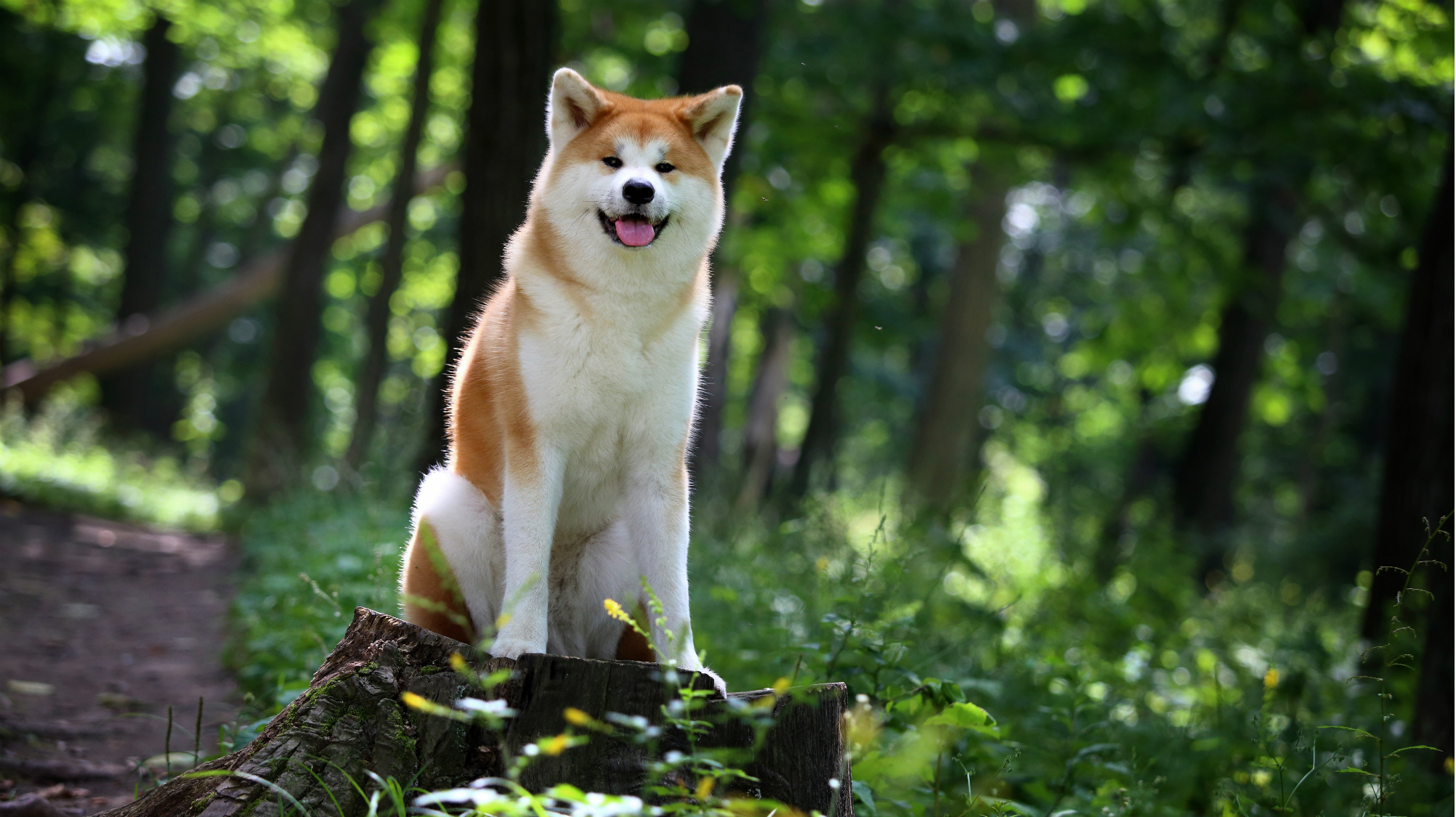
Japanese Akita

Temperament: Calm and brave with a strong independent streak, the Japanese Akita (Akita Inu) is headstrong and needs an experienced owner who respects the breed's dignity. They are quietly affectionate with their family, reserved with strangers, and generally quiet unless there is reason to speak up.
Height: Males: 25-28 inches (64-71 cm), Females: 23-25 inches (58-64 cm)
Weight: Males: 90-120 pounds (41-54 kg), Females: 60-90 pounds (27-41 kg)
Life Span: 10-13 years
Outlier Index ?
0.24
Born before 2016: 0.24 Born after 2024:
Avg Genetic Rel. ?
-0.02
Born before 2016: -0.02 Born after 2024:
Internal Relatedness ?
0.01
Born before 2016: 0.01 Born after 2024:
Japanese Akita
#NameGender OIAGRIR
1 Asatsuyu Go Odate Sannomarusou F 0.16 -0.06 0.20
2 Ryuhei Go Odate Sannomarusou M 0.25 -0.12 0.08
3 Kuroshio Go Junketsu F 0.24 0.10 -0.31
4 Daichi No Ryuu Go Junketsu M 0.28 -0.08 0.15
5 Uchu Bijin Go Isegumo Kensha F 0.27 -0.03 0.00
6 Akiyo Go Kobun F 0.27 -0.04 -0.08
7 Izumiryuu Go Kaijusou F 0.26 -0.12 0.04
8 Unmei No Elias M 0.18 0.02 0.24
9 Unmei No D'Warmaster F 0.32 0.01 -0.05
10 Unmei No Daiushi F 0.27 -0.01 -0.03
The Japanese Akita, or Akita Inu, traces back to ancient spitz-type hunting and guarding dogs of northern Japan, particularly the mountainous Akita prefecture. By the early 20th century the native dogs had been crossed heavily with imported Western breeds - Mastiffs, German Shepherds, and others - producing a larger and more variable dog. After World War II, Japanese breeders deliberately worked to restore the older native type, selecting away from Western influences and back toward the more foxy, compact spitz appearance the breed is known for today. American servicemen, meanwhile, brought the heavier wartime-era dogs to the United States, and those became the foundation of the American Akita. The two populations have been effectively separate breeds for decades and the FCI recognizes them as such, though the AKC still registers them as one breed. Japanese Akitas outside Japan descend from a comparatively narrow post-war founder pool.
Hip dysplasia, progressive retinal atrophy, hypothyroidism, and autoimmune conditions including sebaceous adenitis and autoimmune thyroiditis are the main concerns. Gastric dilatation-volvulus (bloat) is a risk for the breed. Uveodermatologic syndrome (a VKH-like autoimmune condition affecting skin and eyes) occurs at elevated rates. Akitas also have documented sensitivity to certain drugs and anesthetics.
VGL has reported Japanese Akitas carrying an average of around 6.64 alleles across the 33 STR loci, with an effective allele count near 2.39. The gap between average and effective alleles is noticeable - a relatively small subset of common alleles is doing most of the genetic work. Rare alleles are the lever breeders have for keeping the breed's remaining diversity in play. VGL testing has found Japanese Akitas with observed heterozygosity essentially equal to expected, giving an inbreeding coefficient near zero. That is a reasonably good breed-wide signal, though the underlying expected heterozygosity itself is modest - the breed has real allelic limits inherited from its narrow post-war restoration. Individual IR values vary and breeders have room to actively preserve the rarer alleles still in circulation.

Average metrics by birth year for dogs with recorded birthdates in the BetterBred database.

A 3D genetic map of enrolled Japanese Akita dogs in the BetterBred database, based on allele-sharing distance across 33 STR loci. This is not a complete picture of the breed — it reflects only dogs whose owners have enrolled them. Drag to rotate · scroll to zoom · hover for dog names (public profiles only).

Historical founders — oldest 25% of enrolled dogs     Current gene pool — most recent 50% of enrolled dogs
Building plot… this may take a minute for larger breeds.

The Dog Leukocyte Antigen (DLA) region controls immune function and is the most polymorphic portion of the canine genome. Every dog carries two sets of DLA haplotypes — one from each parent — which almost never recombine across generations. Frequency percentages reflect how often each haplotype appears across all allele copies in the breed, not the percentage of dogs carrying it.

Class I Haplotypes

HaplotypeFrequency
1092
27.7%
1029
26.8%
1061
22.6%
1081
11.9%
1083
10.3%
1045
0.3%
1114
0.3%

Class II Haplotypes

HaplotypeFrequency
2035
27.7%
2037
26.8%
2057
21.9%
2056
11.9%
2039
10.7%
2061
0.7%
2069
0.3%

Class I & II Combinations

Class IClass IIFrequency
1092 2035
28.2%
1029 2037
26.0%
1061 2057
22.2%
1081 2056
12.0%
1083 2039
10.1%
1061 2061
0.6%
1045 2039
0.3%
1082 2056
0.3%
1114 2069
0.3%

The Canine Diversity Test from UC Davis Veterinary Genetics Laboratory is the foundation of BetterBred’s breed management tools. Testing your dog adds to the breed database and gives you access to the full suite of breeding analysis tools.

Order from UC Davis VGL →