Breed Page

Polish Lowland Sheepdog — BetterBred Breed Page – BetterBred.com
BetterBred Breed Profile

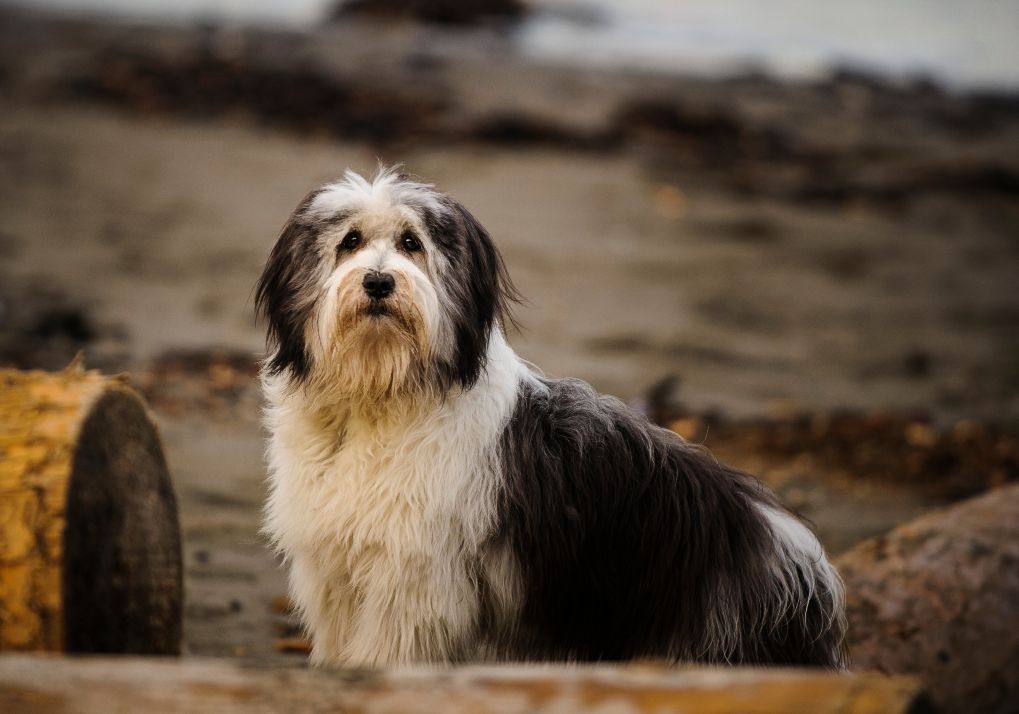
Polish Lowland Sheepdog

Temperament: Naturally hard working, shaggy, and sturdy, the PON is intelligent, kind, good at problem solving, and a little stubborn. They bond closely with their family, are good with children, and retain real herding instincts. Daily mental and physical work is essential.
Height: Males: 18-20 inches (45-50 cm), Females: 17-19 inches (42-47 cm)
Weight: Males: 40-50 pounds (18-23 kg), Females: 30-40 pounds (14-18 kg)
Life Span: 12-15 years
Outlier Index ?
0.31
Born before 2016: 0.43 Born after 2024:
Avg Genetic Rel. ?
0.34
Born before 2016: 0.36 Born after 2024:
Internal Relatedness ?
-0.08
Born before 2016: -0.21 Born after 2024:
Polish Lowland Sheepdog
#NameGender OIAGRIR
1 Zielonagoras One and Only Hadji M 0.29 0.32 -0.18
2 Lovlipon Glenfiddich M 0.43 0.36 -0.21
3 Zielonagoras Rain Dancer M 0.28 0.41 0.23
4 Zielonagoras Umbral Moonshine F 0.25 0.26 -0.16
A rare breed, the Polish Lowland Sheepdog (Polski Owczarek Nizinny, often shortened to PON) is said to descend from dogs brought by the Huns as they migrated from Asia into Europe, which were then bred to native herders. Some were reportedly imported to Scotland in the 1500s and helped establish the Bearded Collie. The breed came close to extinction after World War II, surviving through the work of a small number of dedicated Polish breeders. The breed has since been restored and remains popular in Poland, both on farms and as city companions.
Hip dysplasia and inherited eye diseases are the main concerns and testing of breeding stock is recommended. As with any restored breed, open communication about health issues among breeders and owners is especially important given the narrow founder base.
VGL has reported PONs carrying an average of around 4.45 alleles across the 33 STR loci, with an effective allele count near 2.41. Both numbers are on the lower end, reflecting the breed's tight post-war founder base. Rare alleles are valuable in a breed this constrained and deserve active preservation. VGL testing has found Polish Lowland Sheepdogs with observed heterozygosity slightly above expected, giving an inbreeding coefficient close to zero. That is an encouraging breed-wide signal given the severe post-war bottleneck, though the underlying diversity pool remains narrow.

Average metrics by birth year for dogs with recorded birthdates in the BetterBred database.

A 3D genetic map of enrolled Polish Lowland Sheepdog dogs in the BetterBred database, based on allele-sharing distance across 33 STR loci. This is not a complete picture of the breed — it reflects only dogs whose owners have enrolled them. Drag to rotate · scroll to zoom · hover for dog names (public profiles only).

Historical founders — oldest 25% of enrolled dogs     Current gene pool — most recent 50% of enrolled dogs
Building plot… this may take a minute for larger breeds.

The Dog Leukocyte Antigen (DLA) region controls immune function and is the most polymorphic portion of the canine genome. Every dog carries two sets of DLA haplotypes — one from each parent — which almost never recombine across generations. Frequency percentages reflect how often each haplotype appears across all allele copies in the breed, not the percentage of dogs carrying it.

Class I Haplotypes

HaplotypeFrequency
1040
75.0%
1067
25.0%

Class II Haplotypes

HaplotypeFrequency
2014
75.0%
2017
12.5%
2067
12.5%

Class I & II Combinations

Class IClass IIFrequency
1040 2014
75.0%
1067 2017
12.5%
1067 2067
12.5%

The Canine Diversity Test from UC Davis Veterinary Genetics Laboratory is the foundation of BetterBred’s breed management tools. Testing your dog adds to the breed database and gives you access to the full suite of breeding analysis tools.

Order from UC Davis VGL →