Breed Page

Shiloh Shepherd, ISSA — BetterBred Breed Page – BetterBred.com
BetterBred Breed Profile

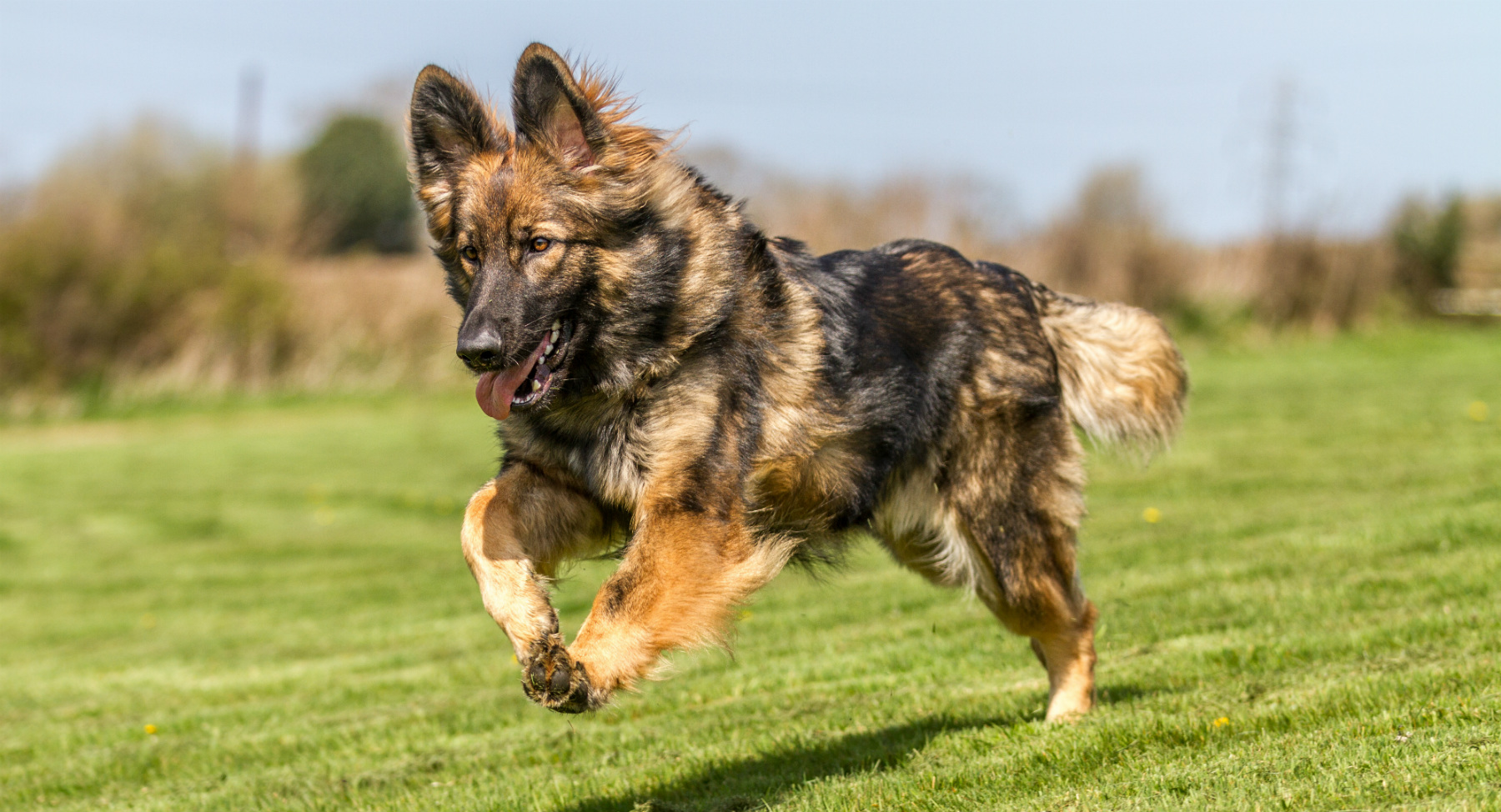
Shiloh Shepherd, ISSA

Temperament: Loving, loyal, and outgoing, Shilohs combine a steady family-dog temperament with a real working drive. They bond strongly, are good with children when properly socialized, and need genuine daily exercise and training to be at their best.
Height: Males: 28 inches (71 cm) or more, Females: 26 inches (66 cm) or more
Weight: Males: 110 pounds (50 kg) minimum, Females: 80 pounds (36 kg) minimum
Life Span: 9-14 years
Outlier Index ?
0.22
Born before 2016: 0.21 Born after 2024: 0.13
Avg Genetic Rel. ?
0.02
Born before 2016: 0.03 Born after 2024: 0.06
Internal Relatedness ?
-0.02
Born before 2016: -0.04 Born after 2024: 0.24
Shiloh Shepherd, ISSA
#NameGender OIAGRIR
1 Gallico's Awesomely Loved Fennel F 0.13 0.06 0.24
2 Guardian's Indomitus M 0.24 -0.06 0.17
3 Guardian's Bodacious Bodhi M 0.17 0.08 -0.04
4 Guardians Lady Pearl of Timberland F 0.20 0.00 -0.08
5 Riverwind's Bolt of Mischief v SNS M 0.24 0.06 -0.09
6 Jewel's Enchanting Merlin M 0.11 0.06 0.09
7 Jewel's Enchanting Jasmine F 0.15 0.04 -0.09
8 Wilderness Crown Jewel Zevik M 0.20 0.03 -0.03
9 Ziva Bright Like a Wild Diamond F 0.13 0.03 0.19
10 Greystone's Dark Frozen Wilderness F 0.26 -0.08 0.11
The Shiloh Shepherd was developed starting in the 1970s by Tina Barber of Shiloh Kennels in New York, who wanted to return the German Shepherd Dog to an older, larger, more balanced working-companion type she felt had been lost in modern show and working lines. Sixteen of the breed's first twenty founders came directly or indirectly from the Shiloh kennel's GSD breeding program. Two of those founders carried crosses from other breeds, including flock guardians and Alaskan Malamute. Later controlled outcrosses brought in long-haired GSD and GSD-derived herding stock, a White Shepherd, a standard GSD, and a Czechoslovakian Wolfdog. The breed is maintained by the International Shiloh Shepherd Alliance (ISSA) and other registries, with continuing attention to managing diversity through a documented breeding program.
Like many large breeds, Shilohs are at elevated risk for gastric dilatation-volvulus (bloat). Hip and elbow dysplasia, panosteitis, and exocrine pancreatic insufficiency are also concerns. Some lines carry DNA-testable variants that breed clubs track through health screening programs.
VGL has reported Shiloh Shepherds carrying an average of around 6.33 alleles across the 33 STR loci, with an effective allele count near 2.72. Those numbers reflect the breed's narrow founder base - twenty foundation dogs, most from one kennel - tempered somewhat by later controlled outcrosses. Genetic differences have begun to emerge between geographic subpopulations, with US-based dogs broadly representative and some other regions showing their own patterns. VGL testing has found Shiloh Shepherds with observed heterozygosity slightly above expected, giving a small negative inbreeding coefficient. That is an encouraging signal and consistent with breeders working actively to manage relatedness through the ISSA's documented program. Individual IR values still vary and breeders should keep prioritizing less related pairings.

Average metrics by birth year for dogs with recorded birthdates in the BetterBred database.

A 3D genetic map of enrolled Shiloh Shepherd, ISSA dogs in the BetterBred database, based on allele-sharing distance across 33 STR loci. This is not a complete picture of the breed — it reflects only dogs whose owners have enrolled them. Drag to rotate · scroll to zoom · hover for dog names (public profiles only).

Historical founders — oldest 25% of enrolled dogs     Current gene pool — most recent 50% of enrolled dogs
Building plot… this may take a minute for larger breeds.

The Dog Leukocyte Antigen (DLA) region controls immune function and is the most polymorphic portion of the canine genome. Every dog carries two sets of DLA haplotypes — one from each parent — which almost never recombine across generations. Frequency percentages reflect how often each haplotype appears across all allele copies in the breed, not the percentage of dogs carrying it.

Class I Haplotypes

HaplotypeFrequency
1052
37.9%
1068
26.7%
1165
21.1%
1167
7.3%
1166
4.4%
1172
1.1%
1160
0.6%
1001
0.6%
1035
0.2%
1045
0.2%

Class II Haplotypes

HaplotypeFrequency
2017
37.9%
2053
34.1%
2080
21.1%
2022
4.4%
2024
0.6%
2033
0.6%
2003
0.6%
2001
0.6%
2026
0.2%
2039
0.2%

Class I & II Combinations

Class IClass IIFrequency
1052 2017
38.3%
1068 2053
26.7%
1165 2080
21.3%
1167 2053
7.2%
1166 2022
4.3%
1160 2024
0.6%
1172 2033
0.6%
1001 2001
0.4%
1172 2003
0.4%
1035 2026
0.2%
1045 2039
0.2%

The Canine Diversity Test from UC Davis Veterinary Genetics Laboratory is the foundation of BetterBred’s breed management tools. Testing your dog adds to the breed database and gives you access to the full suite of breeding analysis tools.

Order from UC Davis VGL →
Echo Shilohs
Indiana, US
Visit Website →

BetterBred does not personally endorse or recommend any listed kennel. Visitors are responsible for conducting their own research, including verifying health testing records and speaking directly with breeders. List your kennel →