Profile
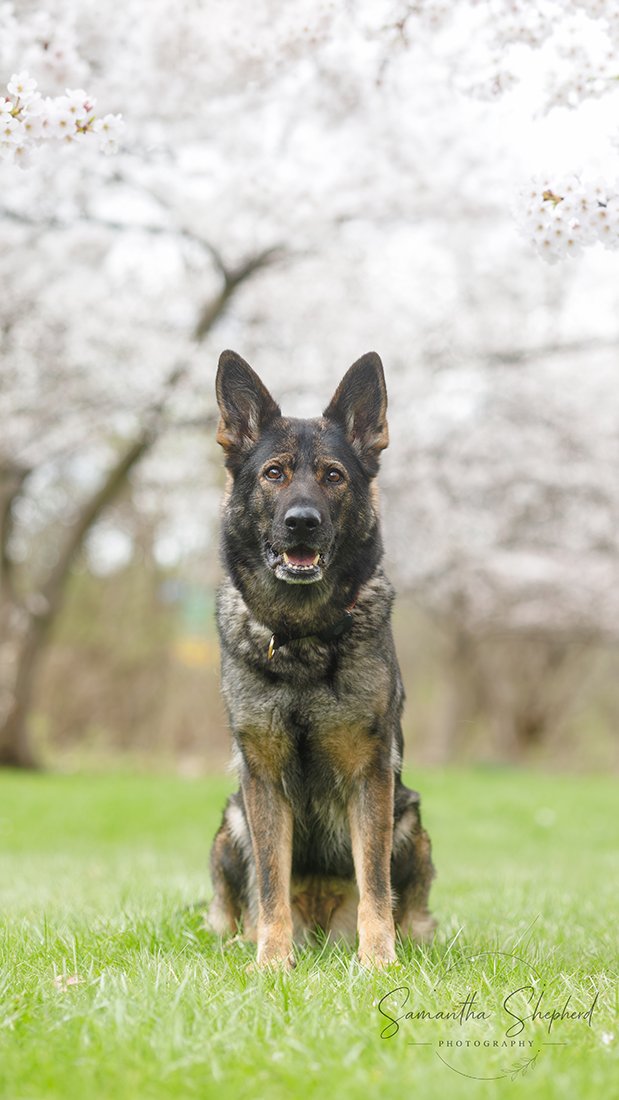
V UCH HAM Hustle vom Haus Tyson AD IGP2 TC CD RN RATS DM DS CGCA CGCU TKI
German Shepherd Dog · F · b. 2018
How the breed is moving — older dogs vs. recent dogs
Outlier Index (OI)
Deprecated: number_format(): Passing null to parameter #1 ($num) of type float is deprecated in /usr/local/www/wp-content/plugins/xyz-wp-insert-code-snippet/shortcode-handler.php(225) : eval()'d code on line 875
0.00
Avg Genetic Rel (AGR)
Deprecated: number_format(): Passing null to parameter #1 ($num) of type float is deprecated in /usr/local/www/wp-content/plugins/xyz-wp-insert-code-snippet/shortcode-handler.php(225) : eval()'d code on line 897
0.00
Internal Relatedness (IR)
Deprecated: number_format(): Passing null to parameter #1 ($num) of type float is deprecated in /usr/local/www/wp-content/plugins/xyz-wp-insert-code-snippet/shortcode-handler.php(225) : eval()'d code on line 919
0.00
Gold dot = this dog · Gold line = current breed avg · Sage line = avg since 2024 · Gray line = avg before 2018 · For OI: higher is better. For AGR and IR: lower is better.
DLA Haplotypes — Class I | Class II · frequency in breed database
Find potential mates for this dog, ranked by OI — the recommended primary metric for preserving allelic diversity. Also ranked by AGR and Genetic Relatedness. Available on your dashboard.
View Potential Mates →OI and IR are genetic diversity metrics intended to inform breeding decisions at the population level. They do not diagnose disease, predict individual health outcomes, or substitute for breed-required health testing or veterinary guidance. Conformation, temperament, longevity, and health history all belong in this decision.
Amos, W. et al. (2001). The influence of parental relatedness on reproductive success. Proceedings of the Royal Society B, 268, 2021–2027. [IR formula] · Wang, J. (2002). An estimator for pairwise relatedness using molecular markers. Genetics, 160, 1203–1215. [GR formula] · Pedersen, N.C. et al. (2015). The effect of genetic bottlenecks and inbreeding on the incidence of two major autoimmune diseases in standard poodles. Canine Genetics and Epidemiology, 2, 14.
| Breed | German Shepherd Dog |
| Gender | F |
| Call Name | Akira |
| Date of Birth | 2018-10-05 |
| Registration # | DN56371401 |
| State | Ohio |
| Country | US |
| Sire | Red Bull ze Stribrneho kamene |
| Dam | Gita Zde-Sko |
| Pedigree | View pedigree ↗ |
CHIC Number: 198992
| Test | Result | Cert |
|---|---|---|
| Hips | GS-105467G24F-VPI | |
| Elbows | GS-EL43689F24-VPI | |
| Eyes (CAER) | GS-EYE757/68F-VPI | |
| Cardiac (Echo) | GS-ACA223/68F-VPI | |
| Thyroid | GS-TH1068/50F-PI | |
| Dentition | GS-DE827/42F-VPI | |
| Degenerative Myelopathy | WT / WT |
No temperament description has been recorded for this dog.
| Registered Color | Sable |
| Height | 24 |
| Weight | 67 |
Color Panel
See how this dog's numbers sit within the full German Shepherd Dog population and track breed diversity over time.
View Breed Profile →The two moments breeders have influence on their breed's future are when choosing a mate, and choosing a keeper puppy. Both deserve full genetic information.