Profile
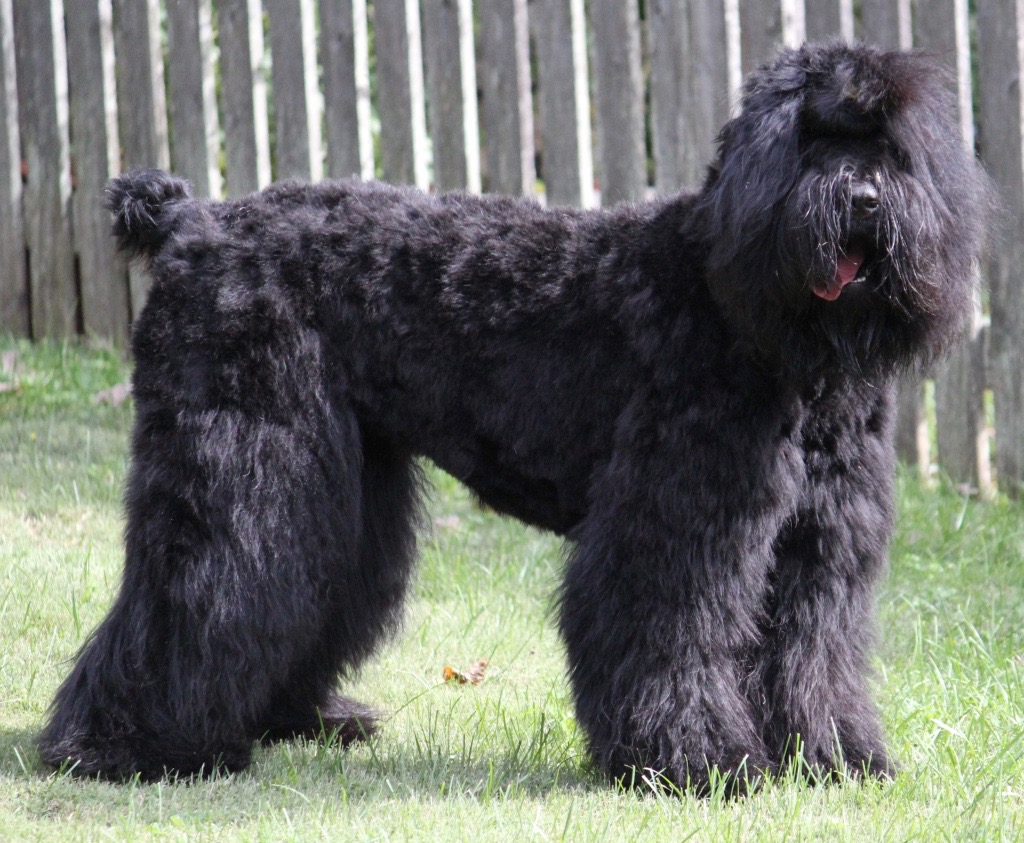
Cerberus Goddess of War at Seven Oaks
Black Russian Terrier · F · b. 2014
How the breed is moving — older dogs vs. recent dogs
Outlier Index (OI)
Avg Genetic Rel (AGR)
Internal Relatedness (IR)
Gold dot = this dog · Gold line = current breed avg · Sage line = avg since 2024 · Gray line = avg before 2018 · For OI: higher is better. For AGR and IR: lower is better.
DLA Haplotypes — Class I | Class II · frequency in breed database
Find potential mates for this dog, ranked by OI — the recommended primary metric for preserving allelic diversity. Also ranked by AGR and Genetic Relatedness. Available on your dashboard.
View Potential Mates →OI and IR are genetic diversity metrics intended to inform breeding decisions at the population level. They do not diagnose disease, predict individual health outcomes, or substitute for breed-required health testing or veterinary guidance. Conformation, temperament, longevity, and health history all belong in this decision.
Amos, W. et al. (2001). The influence of parental relatedness on reproductive success. Proceedings of the Royal Society B, 268, 2021–2027. [IR formula] · Wang, J. (2002). An estimator for pairwise relatedness using molecular markers. Genetics, 160, 1203–1215. [GR formula] · Pedersen, N.C. et al. (2015). The effect of genetic bottlenecks and inbreeding on the incidence of two major autoimmune diseases in standard poodles. Canine Genetics and Epidemiology, 2, 14.
| Breed | Black Russian Terrier |
| Gender | F |
| Call Name | Enya |
| Date of Birth | 2014-08-09 |
| Registration # | WS48140802 |
| State | Florida |
| Country | US |
| Sire | Zilya's Chicago Blues Fusion |
| Dam | Cerberus Anya Niis |
| Pedigree | View pedigree ↗ |
Enya's temperament and structure are vey much like a schnauzer. She is highly intelligent and learns faster than any BRT we have had in the past, she is very vocal, quick to react, extremely agile, and she is thin and lanky. Despite her extremely good health test results and her obviously quick intellect, we have elected to spay her primarily due to the excessive graying on the front of her legs and beard at only 4 years of age as of 2018.
| Registered Color | Black |
| Markings | Slight graying on front of legs and beard |
| Height | 27 |
| Weight | 95 |
See how this dog's numbers sit within the full Black Russian Terrier population and track breed diversity over time.
View Breed Profile →The two moments breeders have influence on their breed's future are when choosing a mate, and choosing a keeper puppy. Both deserve full genetic information.